5.24
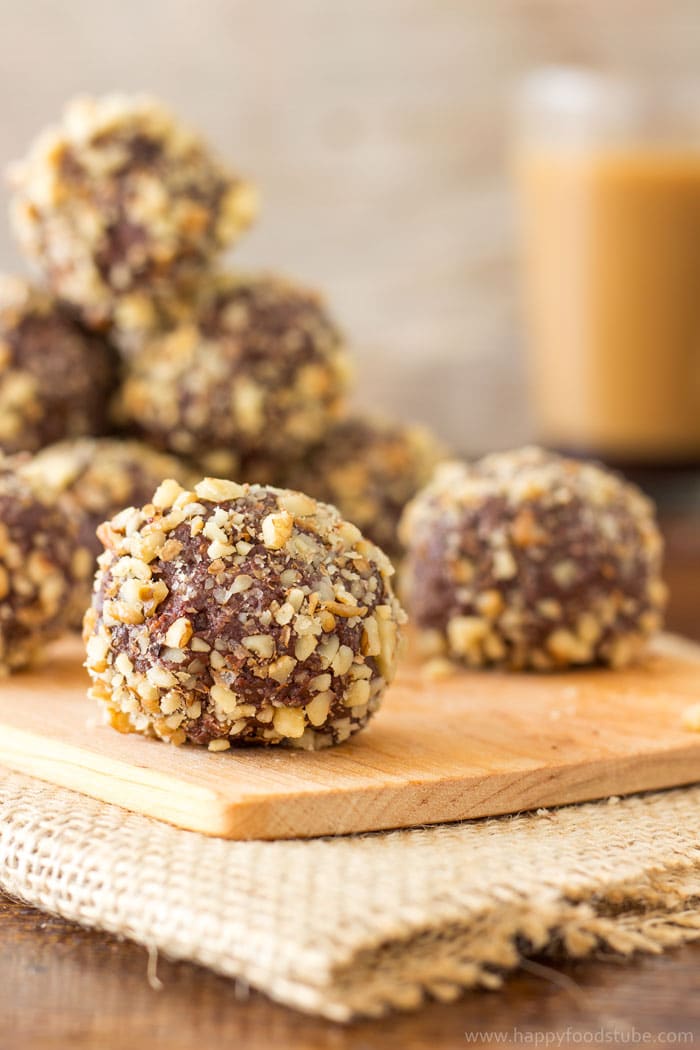 I have a sweet tooth, and try as I might, I have yet to overcome it, so over the years I have watched for healthier alternatives to the standard holiday baked goods. This is a great time to break out those power pantry dessert recipes that don't have the processed sugar, fats and additives found in many holiday treats.
Dried fruits are some of the best options for making satisfying sweet treats that our bodies will appreciate and that will help us keep the holiday spirit. For years I have appreciated these natural sweet treats, and keeping them on hand can make all the difference in holiday baking.
Dates are one of the best natural sweeteners, and make a great foundation for some really satisfying desserts. Combined with nuts, chocolate and a bit of flavor from vanilla or coconut, and you can create treats that rival the best family cookie bars.
Other great dried fruits that can easily stand in with holiday sweets are apricots, raisins, figs, dried cranberries and dried apples. There are even some really good dried banana chips available (baked or freeze-dried) that are great for holiday baking.
Check out these paleo recipes made with dates: Paleo Grubs - 45 date recipes (some are savory, but most are sweet treats, with awesome ingredients.)
And a quick search for dried fruit desserts will yield a bunch of great options. So consider alternative sweets this holiday season to keep things festive and yet healthful. Dried fruits, especially dates and figs, can be a tremendous addition to holiday baking traditions.
By the Way
At Thanksgiving, our family enjoyed some almond-stuffed bacon-wrapped dates. They were awesome, and we will definitely be making those again. We even tried some of the dates stuffed with dark chocolate chips (and wrapped in bacon of course) - also exceptional, and with a more sophisticated taste.
4.32
It's the holiday season! One of my favorite times of the year... and a challenging time to eat in a healthful way and make nutrient-dense choices. And because I have a sweet tooth, I'm especially challenged by holiday sweets.
 I've shared about a sweet-cheat before in Power Pantry, and I want to reinforce this great substitute for the sugary empty calories we consume at the holidays. Enter the humble date. These fruity, substantial and satisfyingly sweet treats are born of the date palm, and harken back thousands of years to middle-eastern roots.
Dates are still grown in those same middle-eastern countries where they have always been, and they also come from places in the US like California and Florida. These sugary-sweet morsels live up to their history and are worth every bite. The larger, more tender medjool date is especially tasty, with a smoother texture than its common cousin, the Deglet Nour date.
With a creamy texture and great flavor, medjool dates can almost pass for a candy-like caramel. And with a little creativity, dates can be made into tasty pastes and syrups that are a wonderful replacement for honey, maple syrup and agave nectar.
Currently, I'm reconnecting with dates for my mid-run energy boost. I've been honing my running regimen and I don't do energy gels (which are full of corn-everything.) But dates? They are naturally sugary, full of useful glucose and sucrose carbs for mid-run.
Dates also have valuable antioxidants, and nutrients like potassium, calcium, magnesium and phosphorus. That is a much better roster than any energy gel.
So consider stocking some dates in your pantry this holiday season, and keep an eye out for where you can include these wonderful, ancient sweeteners in your holiday cooking. Your body will thank you for caring so much, and you may just find a new favorite recipe.
By the Way
Check out what Dr. Josh Axe says about dates and the value they bring to sweetening our diet:
Dr. Axe on Medjool Dates
4.29
 It's hard to qualify any production candy as 'healthy', but with Halloween and the holidays coming up, I thought I'd post about what may be healthier. And this depends on your perspective. I look for sweets with no corn syrup (high fructose or otherwise), no artificial colors, flavors or preservatives, and limited soy ingredients. That's a really high bar to set for most candy.
Here is a great article from Business Insider (www.businessinsider.com) with an exhaustive, ranked list of popular candies and how they stand up to 'healthy' scrutiny:
Healthiest Halloween Candy
Note that basically *none* of these candies listed would qualify as healthy when reviewed with my criteria... this article basically looked at calories, fat content and protein per serving.
You'll see popular favorites on the list like Reese's Peanut Butter Cups, Candy Corn, Twizzlers and at the top of the list, Smarties. It is mostly the fat content that makes many of these less healthy than their counterparts - and peanuts and peanut butter are a common culprit adding fat content.
I like the simplest candies, like old-fashioned butter toffee and caramels. When you can find these with no corn syrup and sans all the artificial junk, they can be a great treat. And a standard satisfier around our house (and in our pantry) is dark chocolate. High in antioxidants and with a little kick from caffeine, dark chocolate has a rich, sophisticated flavor that is really satisfying (to me).
The biggest thing to remember with candy consumption is portion control. Don't let your sweet tooth get the better of you! If you're buying Halloween candy, get the 'fun' sizes and mini packets to keep the kiddos from pigging out on any one thing. Any of the candies reviewed in the above article would be okay in moderation... the key is keeping the candy cravings under control.
Have fun this Halloween, and you can even consider offering popcorn or graham cracker cookie treats for the costumed hoards. Most of all remember to keep candy consumption to a minimum.
By the Way
Some months ago I found this tremendous website for 'healthy' candy. Again, I would qualify that as no corn syrup (high fructose or otherwise), no artificial colors, flavors or preservatives, and as simple and organic as possible. Check out the Natural Candy Store, www.naturalcandystore.com. I get this awesome all natural bubble gum from Tree Hugger through them... isn't the internet great?
3.25
Sugar is everywhere in our culture. On average, we've gone from consuming several pounds a year per person 200+ years ago, to over 100 pounds a year each, today. Huge consumer product groups like snacks and sodas and breakfast cereals are chocked full of sugar. Why? The refined sucrose and fructose in sugar is truly addicting, with similar effects on our brains as cocaine and other addictive drugs. Getting more raises the threshold of response and we need more to get the same 'benefit.'
And what do we get for this addiction? Not only obesity, heart disease and type 2 diabetes, but sugar also speeds aging, stresses our liver the same way alcohol does, and interrupts our natural immune responses. And sugar literally feeds the growth and replication of cancer cells. Uhg. Beyond that, sugar in our diet increases inflammation response in our metabolism, and new studies are showing a strong relationship between elevated fructose in our diet and the development of Alzheimer's disease.
Natural sugars are better than refined sugars, but both are still concentrated sucrose:
- Today's refined white sugar often comes from beet sugar
- Cane sugar comes from sugar cane and has been a growing staple of western culture for centuries
- High fructose corn syrup is highly-refined corn syrup, it is significantly cheaper than other sugar sweeteners, and it has even worse health impacts
- Natural sugars come from raw, unrefined or lightly-refined sources, like honey, maple syrup, and agave nectar.
- Natural sugars also come from fruit, and even those add to our overall sugar load

So what is the solution to the sugar addiction and the health trauma that results? Moderation. Do we need to eliminate sugar? No, not all of it - just reduce refined sugar intake and keep it under control. The American Heart Assn says no more than 100 calories from refined sugars per day for women, and no more than 150 calories per day for men.
Keeping sweeteners to natural forms like honey is best, or minimally-refined ones like maple syrup or agave nectar. The point with any sweeteners, though, is moderation. Without moderation in our sweeteners, we can develop a sugar addiction (remember, it eventually takes more and more sugar to get the same amount of satisfaction.) With moderation, we find simple enjoyment from the sweetness of fruit and the occasional sweet treat, and they're easy to walk away from.
Take a hard look at your sugar habits and sweet expectations. If you are overcome with an uncontrollable desire for sweets, start today to detox from sugar and give moderation a try.
By the Way
Fruit sugars are much healthier than any prepared sugars or refined sweeteners, but these are sugars just the same. The only redeeming quality of getting sugar from whole fruit is the fiber and carbohydrates from the fruit, which help our bodies metabolize and use the sucrose with less ill-effects.
2.1
Happy New Year! It's 2015, ready or not. If last year seemed like a blur to you, as it did for me, now is the time to pre-savor the new year and all it holds. If you've been contemplating, or maybe you've begun, power pantry choices in your kitchen, welcoming the new year may give you the boost you need to seal the deal.
I thought I'd review a handful of great power pantry choices which are simple to make, and are quite rewarding for our physical health. One or two (or more if you're bold) of these may stand out as improvements you're convicted of to start 2015:

- Get rid of bleached enriched white flour, and all the bread, crackers and goodies containing it, and resolve to go with 100% whole wheat flour in your baking and buying
- Make brown rice your standard instead of white rice; wild rice is great as well, quinoa is a tremendous grain/starch addition to a meal (instead of rice), and even some interesting grains like millet can substitute white rice
- Once and for all, get rid of all the artificial sweeteners (splenda, aspartame, sucralose, and all their cousins) and high fructose corn syrup, and never go back. There is nothing healthful or of nutritional value with any of these, and they lurk in our drinks, dressings, snacks, cereals and baked goods. There's nothing wrong with raw (turbinado) sugar, agave nectar, stevia, raw honey, and plain old pure cane sugar. I've maintained a healthful weight and great nutritional balance for years with all of these natural sweeteners, in moderation.
- Lose the hydrogenated (and partially hydrogenated) oils. These are laboratory creations meant to reduce cost, and improve food textures and shelf life, and have no redeeming quality in our diet. And they're ubiquitous in baked goods, snacks, granola bars and cereals of all kinds. Going to extra virgin olive oil for cooking, and shopping for higher quality products is the way to go.
- Eliminate MSG (mono-sodium glutamate) from your pantry. You'll find it as a 'flavor enhancer' in soups, salad dressings, salsas, flavored chips and crackers of all kinds. This is a detriment to our metabolism, and in future decades, I think we'll wonder how and why we tempted our taste buds with fake flavor at the expense of our bodily health.
This list could go on, but those are a few essentials. A natural, whole-foods-based power pantry can be the start of a new you in the new year. So grab onto one or two of these that aren't yet part of your wellness lifestyle, and decide to make the change and never look back. That's what Jen and I have done over the several years that we've been living a wellness lifestyle. It's a big change, and takes an 'all in' commitment, but it is so worth it, you'll wonder why you waited so long to start.
By the Way
I often say that power pantry and wellness lifestyle choices, whether food related or for exercise or wellness in general, are best made with others. Don't walk your journey alone. Look for a friend, co-worker or family member to journey with you. It will create accountability, and you'll learn from each other. When launching into new territory, we're better together.
1.43
I often say that Jen and I aren't militant about our power pantry lifestyle; we go with the flow concerning many limits on foods and what we'll keep in the house, etc. But one area we have been drawing a hard line on is artificial sweeteners. We have concluded, beyond a shadow of a doubt, that there is no redeeming quality to these man-made substances and have eliminated them from our pantry. We'll stick with pure cane sugar, raw honey, stevia, and agave nectar, thank you.
I was talking with a friend the other day who asked me if artificial sweeteners were really all that bad. Isn't it okay to have a diet soda or two a day without worrying that it is killing us? While I seriously doubt one or two diet sodas a day will kill us (this decade) I fail to see why we should consume artificial sweeteners at all. For a soda a day, we'd do much better with a regular caffeinated, sugared soda (just one)...
 What are the man-made culprits we're referring to? Aspartame, sucralose and saccharine, mainly. These sugar-free sweeteners have become ubiquitous in our manufactured foods, and the average American consumes over 20 pounds of them a year. Yuk.
Much of the support for the safety of artificial sweeteners (ie, FDA approval) reads like a cloak and dagger thriller. Read the Wikipedia entry on aspartame here... what a mess. Realize this: the FDA does no independent research of their own (they have no scientists in lab coats with test tubes and beakers, titrating stuff...). All the FDA does is review research findings provided to them by the manufacturer of the food/additive/pharmaceutical, etc. Yes, the fox is watching the hen house. This one fact is so misunderstood in American society - the FDA opinions are not neutral. They are based solely on research and data provided to them by outside entities who are working for those producing the substance in question. We have little to no reason to trust all FDA approvals...just sayin'.
So what sweeteners are okay? Well, the ones which have been processed the least. That would make raw honey the top of the heap; we eat it just the way the bees made it. Others are (from less to more processed): maple syrup, agave nectar (which is like maple syrup, only made from cactus sap), raw cane sugar (turbinado) and then coconut sugar, pure cane sugar, beet sugar, etc. Stevia is an interesting sweetener as it is a healthy, natural product in its raw form - it's an herbal leaf which happens to be very sweet. Be careful with processed stevia products, though, as some are cut with erythritol, xylitol and other processed sweeteners.
The key to healthy sweeteners, like so much in a power pantry, is restraint and moderation. The more we eat natural, whole food sweets (like apples and pears) and not concentrated sugars like honey and maple syrup, the more enjoyable those natural (limited) sweets will be in our diet. Be picky with the sweets in your power pantry and your body and health will thank you for it.
By the Way
There are hours of reading available on this topic online. Here are a few noteworthy articles:
The Mayo Clinic - great post on artificial sweeteners
Dr Oz - excellent perspective on the big picture for sweeteners
Harvard Medical School - weighs the cost of sugar-free
Beyond these, just Google "health effects artificial sweeteners", "aspartame effects" and any number of other search terms you can think of... you'll have plenty to read.
 I have a sweet tooth, and try as I might, I have yet to overcome it, so over the years I have watched for healthier alternatives to the standard holiday baked goods. This is a great time to break out those power pantry dessert recipes that don't have the processed sugar, fats and additives found in many holiday treats.


