7.5
Whew... where did two months go? The world has turned upside down in just 8 weeks, and yet it might make more sense now than it did before. Slowing down, and totally changing perspective on what it ‘normal’ can be a good thing.
Hopefully you are weathering the global coronavirus response in a measured and compassionate way. Extraordinary times can require an extraordinary response, and out of that we’re sure to grow.
How’s your pantry? If ever there was a challenge to our eating and activity habits, it is now. With 7+ weeks of quarantine and counting, knowing how to stock a healthful, life-giving pantry is crucial. Thankfully, we have been able to keep all our staples on hand, and our whole crew is healthy.
When it comes to physical activity, remember great sites like Darebee.com, CrossFit.com and Spartan.com. There are months worth of healthful workouts available to keep you toned, fit, and challenged, and maybe thriving more than if you were going to the gym.
For me, I’m 5 months into my 1000 running goal for 2020. I picked up a side goal of 100 miles in a month (which I completed for April, today). I’m also going to do 100 miles in a week, likely next month in May, just to see if I can do it. My average resting heart rate is down to around 48-50... so there are definitely benefits to an active running habit.
Make every effort to lean into these strange and unprecedented times. While it is unsettling and even scary, press on in a confident way, and try to savor the time away from the old normal, while leaning into the new normal.
By the Way
Do what you can to establish a regular body weight training regimen. I think the social distancing we’re under will definitely teach us that we never needed a weight machines and spin classes. Find your own groove, keep it interesting and varied, and stick to it.
Showing posts with label pantry. Show all posts
Showing posts with label pantry. Show all posts
Sunday, April 26, 2020

Sunday, February 18, 2018
A Boost for Your Pantry
5.03
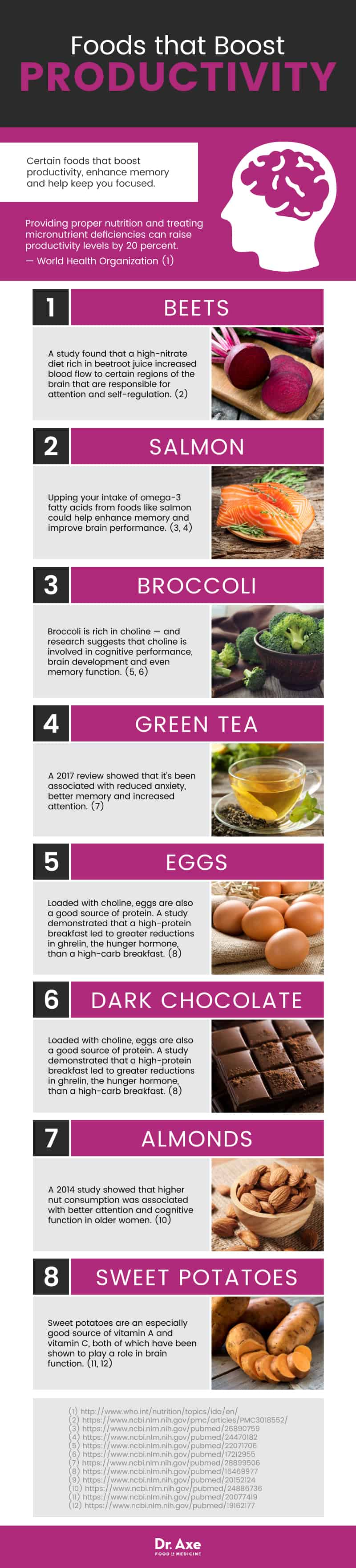 No matter our health status, we can always positively improve. One of my favorite health advocates has become Dr. Josh Axe - www.draxe.com. Have a look at his website, and his YouTube channel - great stuff all around.
In cruising his website today, I found a post on 8 Foods that Boost Productivity. That sounded like a pantry-improving opportunity, so I read on. Sure enough, I'm already enjoying some of his suggested superfoods, and others have been past nutrient-dense favorites of mine.
The list includes pantry champs like almonds, broccoli, green tea and eggs... all nutritional super-stars and beneficial for our wellness journey (and productivity.)
Check out Dr. Axe's article here:
8 Food that Boost Productivity & Why
Always keep an open mind and healthy perspective on boosting your pantry. Remember the guidance of Michael Pollan:
Eat [real] food
Not too much
Mostly plants
No matter our health status, we can always positively improve. One of my favorite health advocates has become Dr. Josh Axe - www.draxe.com. Have a look at his website, and his YouTube channel - great stuff all around.In cruising his website today, I found a post on 8 Foods that Boost Productivity. That sounded like a pantry-improving opportunity, so I read on. Sure enough, I'm already enjoying some of his suggested superfoods, and others have been past nutrient-dense favorites of mine.
The list includes pantry champs like almonds, broccoli, green tea and eggs... all nutritional super-stars and beneficial for our wellness journey (and productivity.)
Check out Dr. Axe's article here:
8 Food that Boost Productivity & Why
By the Way
Always keep an open mind and healthy perspective on boosting your pantry. Remember the guidance of Michael Pollan:
Eat [real] food
Not too much
Mostly plants
Sunday, August 20, 2017
When You Hit the Wall
4.21
I am training for a local half-marathon, and it's now 3 weeks away. My running hasn't kept up with what my schedule is telling me, but I'm close. I have been working out regularly, and keeping after good stretching and short to medium runs.
So when I planned for a 6+ mile run yesterday, I thought everything was fine, and was looking forward to getting out early and enjoying a late summer run. I was doing great on the local roads and hills that I know so well, and then it happened.
 I hit the wall.
I don't remember having a run like the one I had yesterday. And instead of beating myself up or just giving up and going home, I decided to let it play out. I walked. I 'never' walk... but yesterday, at about 3 1/2 to 4 miles in, I decided to walk some and see what would happen.
As it turned out, I did about 8 miles, with about 6 of it running and probably 2 of it walking. I was drained when I got back, but I felt like it was important to see it through, and I know I learned something.
I realized that Spartan training has moved some of my muscle mass from my legs to my upper body, so I have leg-work to do to prepare for this half-marathon. And I learned that my body continues to change with the years, and our pantry still has a great influence on my physical health.
Even though we focus on whole foods, and healthy, nutrient-dense choices, there are some foods in our pantry which are not the healthiest, and in some regards, I'm just missing nutrients. I did some great research yesterday and today, and am coming to terms with how my age is likely affecting my testosterone levels. Low T is very real for men over 40, and if you aren't keeping after vital nutrients and good food choices, you'll suffer unnecessarily.
So I have some simple work to do in the coming weeks. I'm almost 50, and though I could have focused on my testosterone levels years ago, I'm glad I'm starting now. I have a new outlook on 'how' to regain some vibrant energy and stamina. And I have about 3 weeks to get my legs back in race mode.
There are great resources on testosterone health from Dr. Joseph Mercola and Dr. Josh Axe, two acclaimed doctors of natural medicine. Check out some of their resources here:
Dr. Axe's resources for T-hormone health
Dr. Mercola's resources for T-hormone health
And here are some foods to naturally boost T-hormone health, from Dr. Mercola
I am training for a local half-marathon, and it's now 3 weeks away. My running hasn't kept up with what my schedule is telling me, but I'm close. I have been working out regularly, and keeping after good stretching and short to medium runs.
So when I planned for a 6+ mile run yesterday, I thought everything was fine, and was looking forward to getting out early and enjoying a late summer run. I was doing great on the local roads and hills that I know so well, and then it happened.

I don't remember having a run like the one I had yesterday. And instead of beating myself up or just giving up and going home, I decided to let it play out. I walked. I 'never' walk... but yesterday, at about 3 1/2 to 4 miles in, I decided to walk some and see what would happen.
As it turned out, I did about 8 miles, with about 6 of it running and probably 2 of it walking. I was drained when I got back, but I felt like it was important to see it through, and I know I learned something.
I realized that Spartan training has moved some of my muscle mass from my legs to my upper body, so I have leg-work to do to prepare for this half-marathon. And I learned that my body continues to change with the years, and our pantry still has a great influence on my physical health.
Even though we focus on whole foods, and healthy, nutrient-dense choices, there are some foods in our pantry which are not the healthiest, and in some regards, I'm just missing nutrients. I did some great research yesterday and today, and am coming to terms with how my age is likely affecting my testosterone levels. Low T is very real for men over 40, and if you aren't keeping after vital nutrients and good food choices, you'll suffer unnecessarily.
So I have some simple work to do in the coming weeks. I'm almost 50, and though I could have focused on my testosterone levels years ago, I'm glad I'm starting now. I have a new outlook on 'how' to regain some vibrant energy and stamina. And I have about 3 weeks to get my legs back in race mode.
By the Way
There are great resources on testosterone health from Dr. Joseph Mercola and Dr. Josh Axe, two acclaimed doctors of natural medicine. Check out some of their resources here:
Dr. Axe's resources for T-hormone health
Dr. Mercola's resources for T-hormone health
And here are some foods to naturally boost T-hormone health, from Dr. Mercola
Sunday, August 13, 2017
Keep Seeking
4.20
This past week I had a great conversation with a friend. We talked about life and work and our kids, and generally caught up about recent months. One topic concerned ongoing headaches one of his kids has suffered with, and how they are looking for causes and solutions.
He wasn't familiar with Power Pantry, so I mentioned that I post thoughts and guidance as sort of an amateur nutritionist, and include content about how foods can affect our lives. I also shared that after decades of suffering with consistent migraines, I can now turn them on and off depending on what I eat. (Keeping headaches turned off is my goal...)
What I learned about 6-9 months ago was the effect of amines on metabolism and bloodflow, and how that can manifest in serious headaches, and other health effects, if not recognized. Amines are naturally occurring compounds in food, most notably in aged cheeses, prepared and smoked meats, charred foods (meats, breads, even casseroles) and highly ripened fruits and veggies (like brown spotted bananas.)
Amines are usually dealt with handily by specific enzymes in our bodies, but if those enzymes are missing or lacking, amines can build up and bring with them various ill-effects. Among these are migraines and headaches, serious stomach issues (IBS, etc.) skin problems like eczema and itchy rashes, and depression.
The good news is that if you remove or substantially limit the amines, you can reverse almost all the symptoms and have no headaches, clear skin and eliminate the gloomy moods.
Check out this page on the 'Fed Up' website from Australia, about amines and their symptoms. Always recognize the potent effects that foods can have in our bodies, and therefore our lives. If you have a specific health issue you think may be related to a food sensitivity, find a good naturopathic doctor for wise counsel, and continue to question everything.

I had posted about aggravating foods and sensitivities back in March, and numerous other times on Power Pantry. Food effects on our bodies are real, and every body is different. Keep seeking, with good guidance from your doctor and wise counsel from those who have walked the path before you. Solutions to many health issues are right there in our pantries.
This past week I had a great conversation with a friend. We talked about life and work and our kids, and generally caught up about recent months. One topic concerned ongoing headaches one of his kids has suffered with, and how they are looking for causes and solutions.
He wasn't familiar with Power Pantry, so I mentioned that I post thoughts and guidance as sort of an amateur nutritionist, and include content about how foods can affect our lives. I also shared that after decades of suffering with consistent migraines, I can now turn them on and off depending on what I eat. (Keeping headaches turned off is my goal...)
What I learned about 6-9 months ago was the effect of amines on metabolism and bloodflow, and how that can manifest in serious headaches, and other health effects, if not recognized. Amines are naturally occurring compounds in food, most notably in aged cheeses, prepared and smoked meats, charred foods (meats, breads, even casseroles) and highly ripened fruits and veggies (like brown spotted bananas.)
Amines are usually dealt with handily by specific enzymes in our bodies, but if those enzymes are missing or lacking, amines can build up and bring with them various ill-effects. Among these are migraines and headaches, serious stomach issues (IBS, etc.) skin problems like eczema and itchy rashes, and depression.
The good news is that if you remove or substantially limit the amines, you can reverse almost all the symptoms and have no headaches, clear skin and eliminate the gloomy moods.
Check out this page on the 'Fed Up' website from Australia, about amines and their symptoms. Always recognize the potent effects that foods can have in our bodies, and therefore our lives. If you have a specific health issue you think may be related to a food sensitivity, find a good naturopathic doctor for wise counsel, and continue to question everything.
By the Way

I had posted about aggravating foods and sensitivities back in March, and numerous other times on Power Pantry. Food effects on our bodies are real, and every body is different. Keep seeking, with good guidance from your doctor and wise counsel from those who have walked the path before you. Solutions to many health issues are right there in our pantries.
Sunday, February 19, 2017
Still 90/10
4.5
We're surprisingly in the second month of 2017... time flies. How's your power pantry, and what's the quality and condition of the food making it to your table?
I've made some really interesting edits to our pantry in the last several months, and have been really blessed because of it. I'm always learning more about how foods affect our metabolism and digestive health, and how the whole package of wellness rises and falls on what we put in our mouths.
What I've been learning is that numerous fruits and veggies can be irritants to my gut, and I'm actually much healthier without them. And once those 'primary' irritants are out of the picture, things like gluten and simple dairy don't bother me (at all). I would not have suspected this 3-4 years ago when I found gluten and dairy to be a real pantry problem.
Even with these edits, the fundamentals still stand. If you dig around our fridge and pantry you'll find whole foods, simple ingredients and healthful selections. My goal is still to get 90% of my calories from simple, whole foods (even if these include more dairy and gluten) and 10% can be from less healthful choices.
No artificial colors or preservatives or sweeteners. No highly processed anything. And lots more orgainic selections in our pantry as the market offers affordable healthier choices. We even enjoy ice cream (Turkey Hill makes great all-natural ice creams...)
 How's your pantry? And how about the majority of calories you consume? Are your choices healthful and nutrient-dense? Are you feeding your body with intentionality? It all begins with our pantries and fridges - when we get that right, everything else falls into place. Commit to at least an 80/20 split for healthful pantry selections.
I'm still marveling at how well my running and workouts are going even though I've added foods back to my diet which I had previously banned. It reminds me to always be open-minded. My running endurance is great, my joints and muscles are pain free and recovery time is on par. And I'm feeling better in general with these recent improvements... These are the benefits of a wellness lifestyle and staying curious.
We're surprisingly in the second month of 2017... time flies. How's your power pantry, and what's the quality and condition of the food making it to your table?
I've made some really interesting edits to our pantry in the last several months, and have been really blessed because of it. I'm always learning more about how foods affect our metabolism and digestive health, and how the whole package of wellness rises and falls on what we put in our mouths.
What I've been learning is that numerous fruits and veggies can be irritants to my gut, and I'm actually much healthier without them. And once those 'primary' irritants are out of the picture, things like gluten and simple dairy don't bother me (at all). I would not have suspected this 3-4 years ago when I found gluten and dairy to be a real pantry problem.
Even with these edits, the fundamentals still stand. If you dig around our fridge and pantry you'll find whole foods, simple ingredients and healthful selections. My goal is still to get 90% of my calories from simple, whole foods (even if these include more dairy and gluten) and 10% can be from less healthful choices.
No artificial colors or preservatives or sweeteners. No highly processed anything. And lots more orgainic selections in our pantry as the market offers affordable healthier choices. We even enjoy ice cream (Turkey Hill makes great all-natural ice creams...)
 How's your pantry? And how about the majority of calories you consume? Are your choices healthful and nutrient-dense? Are you feeding your body with intentionality? It all begins with our pantries and fridges - when we get that right, everything else falls into place. Commit to at least an 80/20 split for healthful pantry selections.
By the Way
I'm still marveling at how well my running and workouts are going even though I've added foods back to my diet which I had previously banned. It reminds me to always be open-minded. My running endurance is great, my joints and muscles are pain free and recovery time is on par. And I'm feeling better in general with these recent improvements... These are the benefits of a wellness lifestyle and staying curious.
Sunday, November 27, 2016
Powerful Pantry for the Holidays
3.33
The holiday season is officially upon us, and it is a great time to review our pantry and see what has found its way there in recent months. The food-abundance of the holidays brings great opportunities for feasting and celebration, and it doesn't need to derail our wellness choices.
 Have you stood at your pantry or fridge recently to see if there are artificial flavors and colors and preservatives lurking there? We can often stray from healthful choices to something that is simpler, quicker or promoted with better marketing, and those choices can bring all kinds of unhealthy distractions. A power pantry is marked by simple, nutrient-dense, healthful foods. Ingredient lists on healthy foods have few ingredients, and they are ones you can pronounce.
Finding any strange breakfast cereals or canned soups? How about dressings or gravies or desserts? And snacks can be some of the worst offenders. Any MSG or BHT or food coloring? While no one of those will kill us if we eat it, our bodies thank us when we pass them by for healthier real-food picks.
Right now Thanksgiving leftovers are still in full swing around our home. Great dishes and sides, and even some additional recipes of gravy and stuffing to complement the remaining turkey. But it's a great reminder of the blessings we have and gratitude we should feel for the abundance all around us, and we were able to keep our choices simple, healthful and real.
Soon enough it will be Christmas baking time. But fear-not; even Christmas baking can be done quite healthfully with simple, tasty ingredients to celebrate the season. Before we get there though, have a second look at your pantry and fridge and see if there are some healthful substitutions you can make.
I think it 's interesting that the longer we live with wellness choices, the more our recipes reflect things our grandparents and even ancestors likely cooked and enjoyed. Simple, whole foods, seasonally available, and fresh. Sounds like great ingredients for stocking a power pantry!
The holiday season is officially upon us, and it is a great time to review our pantry and see what has found its way there in recent months. The food-abundance of the holidays brings great opportunities for feasting and celebration, and it doesn't need to derail our wellness choices.
 Have you stood at your pantry or fridge recently to see if there are artificial flavors and colors and preservatives lurking there? We can often stray from healthful choices to something that is simpler, quicker or promoted with better marketing, and those choices can bring all kinds of unhealthy distractions. A power pantry is marked by simple, nutrient-dense, healthful foods. Ingredient lists on healthy foods have few ingredients, and they are ones you can pronounce.
Finding any strange breakfast cereals or canned soups? How about dressings or gravies or desserts? And snacks can be some of the worst offenders. Any MSG or BHT or food coloring? While no one of those will kill us if we eat it, our bodies thank us when we pass them by for healthier real-food picks.
Right now Thanksgiving leftovers are still in full swing around our home. Great dishes and sides, and even some additional recipes of gravy and stuffing to complement the remaining turkey. But it's a great reminder of the blessings we have and gratitude we should feel for the abundance all around us, and we were able to keep our choices simple, healthful and real.
Soon enough it will be Christmas baking time. But fear-not; even Christmas baking can be done quite healthfully with simple, tasty ingredients to celebrate the season. Before we get there though, have a second look at your pantry and fridge and see if there are some healthful substitutions you can make.
By the Way
I think it 's interesting that the longer we live with wellness choices, the more our recipes reflect things our grandparents and even ancestors likely cooked and enjoyed. Simple, whole foods, seasonally available, and fresh. Sounds like great ingredients for stocking a power pantry!
Sunday, September 11, 2016
Make it Yourself
3.27
I'm not into posting recipes. There are sooo many websites with the latest recipe for something healthy or super-delicious or trendy, I figure I don't need to join the fray. BUT today I made something awesome, so I've decided to share the recipe if you want to try it.
Why the change of heart? Last week I took a fresh look at our pantry choices regarding acid/alkaline balance and noticed that some of our food-stock was coming from the bad side. As I re-evaluated things, I realized that oats and rice were a big part of our starches, and those are solidly on the bad (acid-forming) side side of acid/alkaline balance... hmmm.
So I came around to a renewed interest in ancient grains and finding and stocking some from the good side, and have spent a good bit of time this week doing just that. What resulted is that I simply reminded myself of things I already knew: mass-produced, refined grains (wheat, rice, oats, barley) are not as healthful as popular perspective and government support have us believe. But ancient grains? Those have staying power exactly because they are healthful and nutritious.
What are the ancient grains? Many of them are actually seeds... and I'm focusing on the gluten-free offerings: chia, amanranth, millet, teff, sorghum, quinoa. Technically, all whole grains have ancient roots; our modern versions likely have decades (or centuries) of modifications which have changed the size (bigger) and growth characteristics (drought-resistance) and even GMO changes to resist bugs. Ancient grains like the ones I mentioned often don't have these modifications.
So what I made was a batch of crackers. Yes, simple crackers. Why? Have you tried to find tasty gluten-free crackers that don't have rice or potato starch as a base? There are expensive specialty crackers that would fit that profile, but nothing simple or readily available and affordable. So I made my own. And the early results are in: they're great!
I chose millet flour (which I ground myself in our Nutri-bullet) and ground flax, with some chia seeds for texture and hemp hearts sprinkled on top for a bit of extra flavor and nutrition. Want to give them a try? See the recipe below - maybe you'll make it yourself.
The flour in the recipe below can likely be substituted with teff, sorghum or quinoa flour for a different texture and flavor profile. The millet was simply my first try...
Millet and flax crackers (I modified this from a recipe online and a little bit of creativity)
(Oven temperature - 375 degrees; total cooking time about 50 minutes)
1 1/2 C ground flax
1 T chia seeds
1 1/2 C water
1 1/2 C millet flour
1 1/2 t salt
3 T olive oil
1 1/2 t baking powder
Additional pinches of salt for topping as well as seeds or other toppings (sesame seeds, hemp hearts, finely chopped nuts, etc.)
In a medium-sized bowl combine ground flax and chia seeds with the water. Stir and let stand about 15 minutes, stirring occasionally.
Preheat oven to 375 degrees and line two cookie sheets with parchment paper.
After flax and chia have thickened add remaining ingredients, stirring thoroughly to combine.
Divide dough evenly between two cookie sheets and spread to about 1/8" thick with back of a large metal spoon to cover entire sheet. Score dough with a pizza cutter, making initial cracker shapes; pierce the middle of each cracker with a fork (to prevent the centers from bubbling up). Top with pinches of salt (like kosher for visual appeal), various seeds or chopped nuts, etc.
Cook 20 minutes; remove and rescore crackers with pizza cutter; cook additional 15 minutes, remove and rescore a final time. Crackers may be cooked further until browned and crunchy, or can be removed at this time for a bit softer cracker (a lot like a mini flat-bread)
Enjoy!!
I'm not into posting recipes. There are sooo many websites with the latest recipe for something healthy or super-delicious or trendy, I figure I don't need to join the fray. BUT today I made something awesome, so I've decided to share the recipe if you want to try it.
Why the change of heart? Last week I took a fresh look at our pantry choices regarding acid/alkaline balance and noticed that some of our food-stock was coming from the bad side. As I re-evaluated things, I realized that oats and rice were a big part of our starches, and those are solidly on the bad (acid-forming) side side of acid/alkaline balance... hmmm.
So I came around to a renewed interest in ancient grains and finding and stocking some from the good side, and have spent a good bit of time this week doing just that. What resulted is that I simply reminded myself of things I already knew: mass-produced, refined grains (wheat, rice, oats, barley) are not as healthful as popular perspective and government support have us believe. But ancient grains? Those have staying power exactly because they are healthful and nutritious.
What are the ancient grains? Many of them are actually seeds... and I'm focusing on the gluten-free offerings: chia, amanranth, millet, teff, sorghum, quinoa. Technically, all whole grains have ancient roots; our modern versions likely have decades (or centuries) of modifications which have changed the size (bigger) and growth characteristics (drought-resistance) and even GMO changes to resist bugs. Ancient grains like the ones I mentioned often don't have these modifications.
 |
| Millet Flax Crackers Baked fresh today |
I chose millet flour (which I ground myself in our Nutri-bullet) and ground flax, with some chia seeds for texture and hemp hearts sprinkled on top for a bit of extra flavor and nutrition. Want to give them a try? See the recipe below - maybe you'll make it yourself.
By the Way
The flour in the recipe below can likely be substituted with teff, sorghum or quinoa flour for a different texture and flavor profile. The millet was simply my first try...
Millet and flax crackers (I modified this from a recipe online and a little bit of creativity)
(Oven temperature - 375 degrees; total cooking time about 50 minutes)
1 1/2 C ground flax
1 T chia seeds
1 1/2 C water
1 1/2 C millet flour
1 1/2 t salt
3 T olive oil
1 1/2 t baking powder
Additional pinches of salt for topping as well as seeds or other toppings (sesame seeds, hemp hearts, finely chopped nuts, etc.)
In a medium-sized bowl combine ground flax and chia seeds with the water. Stir and let stand about 15 minutes, stirring occasionally.
Preheat oven to 375 degrees and line two cookie sheets with parchment paper.
After flax and chia have thickened add remaining ingredients, stirring thoroughly to combine.
Divide dough evenly between two cookie sheets and spread to about 1/8" thick with back of a large metal spoon to cover entire sheet. Score dough with a pizza cutter, making initial cracker shapes; pierce the middle of each cracker with a fork (to prevent the centers from bubbling up). Top with pinches of salt (like kosher for visual appeal), various seeds or chopped nuts, etc.
Cook 20 minutes; remove and rescore crackers with pizza cutter; cook additional 15 minutes, remove and rescore a final time. Crackers may be cooked further until browned and crunchy, or can be removed at this time for a bit softer cracker (a lot like a mini flat-bread)
Enjoy!!
Sunday, May 29, 2016
It Makes a Difference
3.17
 Since I started living a wellness lifestyle about 6 years ago, I've been surprised by what is possible physically, mentally and emotionally, when we feed our bodies with nutrient-rich foods. This weekend turned out to be a gardening and lawn weekend. I cut two different lawns, did the weeding of flower beds, planted a bunch of flowers and put in a boatload of mulch at both.
My Fitbit told me that I had over 260 'active minutes' yesterday, and another 180+ today. (An active minute is measured as a certain level of physical exertion, and starts counting after you've been active for at least 10 minutes) So that's over 440 active minutes between yesterday and today... whew, no wonder I'm beat.
But years ago, I wouldn't have just felt the expected tiredness or stiffness of hours of gardening, I would have been debilitated. I remember episodes of a day of shoveling snow or mulching, when I still ate a standard American diet, and I was a mess afterward, sometimes for days.
Now, with a pantry of great, nutrient-dense foods I can recover simply with some healthy calories and a good nights' sleep. And that's what I did this weekend. I went hard at it yesterday with yard work at one property, and did ours today. And I'm ready to find something to do tomorrow as well.
There are many benefits to keeping a power pantry. Sometimes it's just getting a lot of yard work done on a holiday weekend, and feeling great afterward. No matter what, our bodies will thank us for pursuing nutritious foods and cutting out the junk.
One other thing my Fitbit told me is that I burned over 4500 calories yesterday and over 3000 today (the physical activity tracking, combined with the the heart-rate data, gives a good estimate of calories burned.) So breaks included snacks of walnuts and apples, and a great dinner last night of salmon, steamed veggies and rice. Lots of good, tasty calories. Mmmmm...
 Since I started living a wellness lifestyle about 6 years ago, I've been surprised by what is possible physically, mentally and emotionally, when we feed our bodies with nutrient-rich foods. This weekend turned out to be a gardening and lawn weekend. I cut two different lawns, did the weeding of flower beds, planted a bunch of flowers and put in a boatload of mulch at both.
My Fitbit told me that I had over 260 'active minutes' yesterday, and another 180+ today. (An active minute is measured as a certain level of physical exertion, and starts counting after you've been active for at least 10 minutes) So that's over 440 active minutes between yesterday and today... whew, no wonder I'm beat.
But years ago, I wouldn't have just felt the expected tiredness or stiffness of hours of gardening, I would have been debilitated. I remember episodes of a day of shoveling snow or mulching, when I still ate a standard American diet, and I was a mess afterward, sometimes for days.
Now, with a pantry of great, nutrient-dense foods I can recover simply with some healthy calories and a good nights' sleep. And that's what I did this weekend. I went hard at it yesterday with yard work at one property, and did ours today. And I'm ready to find something to do tomorrow as well.
There are many benefits to keeping a power pantry. Sometimes it's just getting a lot of yard work done on a holiday weekend, and feeling great afterward. No matter what, our bodies will thank us for pursuing nutritious foods and cutting out the junk.
By the Way
One other thing my Fitbit told me is that I burned over 4500 calories yesterday and over 3000 today (the physical activity tracking, combined with the the heart-rate data, gives a good estimate of calories burned.) So breaks included snacks of walnuts and apples, and a great dinner last night of salmon, steamed veggies and rice. Lots of good, tasty calories. Mmmmm...
Thursday, October 22, 2015
2015 Pantry Additions
2.72
We're past the 3/4 mark in 2015, and I hope it's been a great year for your health, your wellness lifestyle, and the contents of your pantry.
I thought it would be good to do a quick check up on how our pantries are faring... have we made some improvements to what we're shopping for and stocking in our fridge and pantry? I've noted great additions to our pantry this year: healthier chips (sweet potato chips made simply with sunflower oil and sea salt), healthier cereals (a great sorghum-based cereal with a bit of cane juice and chia seed; another is just crisped rice with sea salt and a bit of cane sugar; puffed millet as well), homemade guacamole almost every week. Our fridge has a selection of almond milks (and limited cow's milk any more) and some great kinds of hummus, and all sort of fresh veggies.
 If you could use a boost on some healthy pantry suggestions and additions, consider this top 10 list of healthy food, which originally came out as a 2015 healthy food trend watch list. This is courtesy of www.everydayhealth.com :
2015 Healthy Food Trends
This is a great list! There are some in the top 10 I need to try out, like teff, and beet greens, and nut-based vegan cheese (that sounds interesting). Something like rutabagas bring back childhood memories, and maybe it's time to try them again.
So take a fresh look at your pantry, and see where you can step it up. There are still 2 months in 2015, which gives us plenty of time to try some new, unique foods, and make a solid addition to our power pantry.
Don't overlook how far you have come... have you been trying to live by power pantry concepts this year, and stock your pantry accordingly? Think back to what was in your pantry a year ago, or 5 years ago... I know we have some crazy, unhealthy stuff that was a regular part of our diet and eating. Our selections are now healthier, and nutrient-dense, and that's been great for wellness for our whole family.
We're past the 3/4 mark in 2015, and I hope it's been a great year for your health, your wellness lifestyle, and the contents of your pantry.
I thought it would be good to do a quick check up on how our pantries are faring... have we made some improvements to what we're shopping for and stocking in our fridge and pantry? I've noted great additions to our pantry this year: healthier chips (sweet potato chips made simply with sunflower oil and sea salt), healthier cereals (a great sorghum-based cereal with a bit of cane juice and chia seed; another is just crisped rice with sea salt and a bit of cane sugar; puffed millet as well), homemade guacamole almost every week. Our fridge has a selection of almond milks (and limited cow's milk any more) and some great kinds of hummus, and all sort of fresh veggies.
 If you could use a boost on some healthy pantry suggestions and additions, consider this top 10 list of healthy food, which originally came out as a 2015 healthy food trend watch list. This is courtesy of www.everydayhealth.com :
2015 Healthy Food Trends
This is a great list! There are some in the top 10 I need to try out, like teff, and beet greens, and nut-based vegan cheese (that sounds interesting). Something like rutabagas bring back childhood memories, and maybe it's time to try them again.
So take a fresh look at your pantry, and see where you can step it up. There are still 2 months in 2015, which gives us plenty of time to try some new, unique foods, and make a solid addition to our power pantry.
By the Way
Don't overlook how far you have come... have you been trying to live by power pantry concepts this year, and stock your pantry accordingly? Think back to what was in your pantry a year ago, or 5 years ago... I know we have some crazy, unhealthy stuff that was a regular part of our diet and eating. Our selections are now healthier, and nutrient-dense, and that's been great for wellness for our whole family.
Sunday, June 14, 2015
Big on Salads
2.43
I've written before that I'm a big fan of Dr. Joel Fuhrman. He consistently adds value to the conversation on health, wellness and nutrition, and best of all, his guidance works, if we'll just do it. At some point, when we're not satisfied with our health and the direction we're getting from conventional medical sources, we need to consider other resources. For me, Dr. Fuhrman is one of those resources.

A fundamental perspective that Dr. Fuhrman brings to nutritional excellence is that salad should be the main dish for as many meals as possible. The value our bodies derive from fresh veggies and the nutritional density of greens, and all colorful vegetables for that matter, are unmatched by anything in the standard American diet. It's as simple as that, "make salad the main dish"!
Obviously summer is the best time to launch into this perspective, as we're surrounded by every kind of fresh produce for about the next 4 months. Of course our hyper-connected world yields fresh fruits and veggies year-round, whether from the farm field a mile away, or California, Florida, New Zealand or Argentina (all of which have been sources for the Muller's produce recently).
So take a look at your meal-planning for the next few weeks and incorporate salad wherever you can. Part of the preparation will be stocking your power pantry and fridge to compliment the salad initiative, so start there. And be careful about the dressings! That is the biggest tripping hazard in a healthful salad. Most bottled, brand name dressings are off the charts with fats (and not good fats), sodium, flavor-enhancers and sugars - uhg! Around our house we keep it simple with some Newman's Own selections, mix-yourself Italian dressing, and plain old oil and vinegar. Simple always wins.
Here's to being big on salads and amping up our salad consumption. Good luck!
Dr. Furhman recently did an email blast about making salad the main dish. Check it out here:
Make the Salad the Main Dish
He even addresses the dressing issue with some (shameless) promotion of his own line of healthy dressing choices...
I've written before that I'm a big fan of Dr. Joel Fuhrman. He consistently adds value to the conversation on health, wellness and nutrition, and best of all, his guidance works, if we'll just do it. At some point, when we're not satisfied with our health and the direction we're getting from conventional medical sources, we need to consider other resources. For me, Dr. Fuhrman is one of those resources.

A fundamental perspective that Dr. Fuhrman brings to nutritional excellence is that salad should be the main dish for as many meals as possible. The value our bodies derive from fresh veggies and the nutritional density of greens, and all colorful vegetables for that matter, are unmatched by anything in the standard American diet. It's as simple as that, "make salad the main dish"!
Obviously summer is the best time to launch into this perspective, as we're surrounded by every kind of fresh produce for about the next 4 months. Of course our hyper-connected world yields fresh fruits and veggies year-round, whether from the farm field a mile away, or California, Florida, New Zealand or Argentina (all of which have been sources for the Muller's produce recently).
So take a look at your meal-planning for the next few weeks and incorporate salad wherever you can. Part of the preparation will be stocking your power pantry and fridge to compliment the salad initiative, so start there. And be careful about the dressings! That is the biggest tripping hazard in a healthful salad. Most bottled, brand name dressings are off the charts with fats (and not good fats), sodium, flavor-enhancers and sugars - uhg! Around our house we keep it simple with some Newman's Own selections, mix-yourself Italian dressing, and plain old oil and vinegar. Simple always wins.
Here's to being big on salads and amping up our salad consumption. Good luck!
By the Way
Dr. Furhman recently did an email blast about making salad the main dish. Check it out here:
Make the Salad the Main Dish
He even addresses the dressing issue with some (shameless) promotion of his own line of healthy dressing choices...
Sunday, April 5, 2015
Spring Cleaning!
2.25
It's spring, and Easter, and a great time to evaluate our circumstances with some new perspective. Just like a warm sunny day peels away the quiet slowness of winter, a fresh outlook on our wellness lifestyle can bring insight and conviction.
 Have you taken a good look at your pantry lately? I just spent a few minutes reviewing our pantry (literally, I stood there looking over everything in it) to see if I could find any nasties. The worst I could find (thankfully) was a snack bag with MSG as an ingredient (this was a give-away I received at a 5 mile run yesterday (isn't there some nutritional conflict in that?), and a couple things with maltodextrin (a starchy additive used as a binder in a lot of prepared foods and snacks.)) It wasn't always that way, though...
When I was in college, and then into my 20's and 30's, it was no big deal to have a couple boxes of Little Debbie's cakes and snacks around. Those would be joined by a bunch of that plastic-y imitation cheese food, either as chip dip or EZ Cheese, and a ton of snacks, drinks, desserts and prepared foods with high fructose corn syrup, hydrogenated oils, and MSG. We can be thankful that most of us tolerate those non-food 'foods' into our 20's or beyond. The fact is, though, most of our bodies don't tolerate these well when we're in our 40's, and if we do, we shouldn't.
Our power pantry purge has taken years to hone and focus, and now includes discernment involving gluten free, and whole grains / ancient grains, as well as natural sweeteners like raw honey and agave nectar in lieu of sugar and corn syrup. The results, though, have been fascinating and fabulous... we'll never go back.
How's your pantry this spring? Any room for more oats, millet and flax seed, and less Cocoa Crispies and pop tarts? Could you work in some brown rice and quinoa, instead of white rolls and pasta? How about savoring the wonderful, natural essence of fresh veggies and fruits instead of flavor-enhanced snacks and dressings? I know the commitment it takes to tackle and eliminate the faux foods, and I also know our lives depend on it.
Here's to choosing well on the journey to a cleaner power pantry.
Prevention's website has a great page with blog posts and content on eating clean:
Prevention.com - Eat Clean
Give it a try and see if some suggestions resonate with you. Maybe your pantry and you will both benefit.
It's spring, and Easter, and a great time to evaluate our circumstances with some new perspective. Just like a warm sunny day peels away the quiet slowness of winter, a fresh outlook on our wellness lifestyle can bring insight and conviction.
Have you taken a good look at your pantry lately? I just spent a few minutes reviewing our pantry (literally, I stood there looking over everything in it) to see if I could find any nasties. The worst I could find (thankfully) was a snack bag with MSG as an ingredient (this was a give-away I received at a 5 mile run yesterday (isn't there some nutritional conflict in that?), and a couple things with maltodextrin (a starchy additive used as a binder in a lot of prepared foods and snacks.)) It wasn't always that way, though...When I was in college, and then into my 20's and 30's, it was no big deal to have a couple boxes of Little Debbie's cakes and snacks around. Those would be joined by a bunch of that plastic-y imitation cheese food, either as chip dip or EZ Cheese, and a ton of snacks, drinks, desserts and prepared foods with high fructose corn syrup, hydrogenated oils, and MSG. We can be thankful that most of us tolerate those non-food 'foods' into our 20's or beyond. The fact is, though, most of our bodies don't tolerate these well when we're in our 40's, and if we do, we shouldn't.
Our power pantry purge has taken years to hone and focus, and now includes discernment involving gluten free, and whole grains / ancient grains, as well as natural sweeteners like raw honey and agave nectar in lieu of sugar and corn syrup. The results, though, have been fascinating and fabulous... we'll never go back.
How's your pantry this spring? Any room for more oats, millet and flax seed, and less Cocoa Crispies and pop tarts? Could you work in some brown rice and quinoa, instead of white rolls and pasta? How about savoring the wonderful, natural essence of fresh veggies and fruits instead of flavor-enhanced snacks and dressings? I know the commitment it takes to tackle and eliminate the faux foods, and I also know our lives depend on it.
Here's to choosing well on the journey to a cleaner power pantry.
By the Way
Prevention's website has a great page with blog posts and content on eating clean:
Prevention.com - Eat Clean
Give it a try and see if some suggestions resonate with you. Maybe your pantry and you will both benefit.
Sunday, March 15, 2015
Something Different
2.20
Making great wellness choices and stocking a power pantry can yield a lot of changes. The hope is that the changes we're making are not only sustainable, but welcomed and ultimately enjoyable and to our benefit. Last night we made a dinner choice which proved to be a great idea, and it is really the result of years of small changes.
 Have you ever had a fresh springroll? Years ago, I was invited out to lunch by a good business friend who introduced me to thai foods, and fresh spring rolls. I remember there being peanut dipping sauce as well. Yesterday, after we had an abundance of fresh veggies left over from a family party, we decided to make stir fry, and something brought rice paper and spring rolls to mind.
I had been told that rice paper (the thin, filmy wrappers that spring and egg rolls are surrounded in) are readily available at the grocery store. The fact is, I had never thought to look for these until yesterday. So, combining our fresh veggie opportunity with some skillful shopping at Giant, we had a great idea for supper.
And what a supper it was! We ended up making two rounds of chopped and julienned stir fried veggies (with some shredded chicken in round one), and everyone built their own fresh spring rolls with the rice paper. Add some wasabi and hot Szechuan sauces, and good-old soy sauce, and we had quite an enjoyable supper. And the kids loved it... (whenever they rave, "let's make this again!" you know you have a winner.)
The end result is that we enjoyed very healthy food, shared some great family time together, and found something different that everyone agreed was worth repeating (soon). But without stretching our thinking and a willingness to try something new, this never would have happened.
Have you stepped out into the unknown lately, to try a new dish or tackle a new habit? Maybe today is your day, or this is your week... I know the rewards of a well-chosen change are very much worth the investment.
If you're used to seeing egg rolls or spring rolls all browned and crusty on the outside, that's because they have been deep-fried after rolling them up. If you take the same simple fresh spring roll and deep fry it, you get the brown, crusty version (and it's a bit less healthy as well).
Making great wellness choices and stocking a power pantry can yield a lot of changes. The hope is that the changes we're making are not only sustainable, but welcomed and ultimately enjoyable and to our benefit. Last night we made a dinner choice which proved to be a great idea, and it is really the result of years of small changes.
Have you ever had a fresh springroll? Years ago, I was invited out to lunch by a good business friend who introduced me to thai foods, and fresh spring rolls. I remember there being peanut dipping sauce as well. Yesterday, after we had an abundance of fresh veggies left over from a family party, we decided to make stir fry, and something brought rice paper and spring rolls to mind.I had been told that rice paper (the thin, filmy wrappers that spring and egg rolls are surrounded in) are readily available at the grocery store. The fact is, I had never thought to look for these until yesterday. So, combining our fresh veggie opportunity with some skillful shopping at Giant, we had a great idea for supper.
And what a supper it was! We ended up making two rounds of chopped and julienned stir fried veggies (with some shredded chicken in round one), and everyone built their own fresh spring rolls with the rice paper. Add some wasabi and hot Szechuan sauces, and good-old soy sauce, and we had quite an enjoyable supper. And the kids loved it... (whenever they rave, "let's make this again!" you know you have a winner.)
The end result is that we enjoyed very healthy food, shared some great family time together, and found something different that everyone agreed was worth repeating (soon). But without stretching our thinking and a willingness to try something new, this never would have happened.
Have you stepped out into the unknown lately, to try a new dish or tackle a new habit? Maybe today is your day, or this is your week... I know the rewards of a well-chosen change are very much worth the investment.
By the Way
If you're used to seeing egg rolls or spring rolls all browned and crusty on the outside, that's because they have been deep-fried after rolling them up. If you take the same simple fresh spring roll and deep fry it, you get the brown, crusty version (and it's a bit less healthy as well).
Wednesday, February 11, 2015
Keep Well and Carry On
2.13
I've shared on this blog before that my weight topped out around 220 back in the late 90's. Now my normal weight is about 155, give or take a few pounds. That's a big difference... I've carried 50 and 60 pound bags of stuff, and it's really tough to go for very long, much less a whole day or a whole year! And yet, I chose to carry that weight daily, and tolerate it in everything I did.
 I have been reminded of this extra baggage lately, as I'm training for a half marathon coming up in April. I bought some 15 pound and 5 pound dumbbells and have added them to my workouts. Now I do flights of stairs with the extra 30 pounds, and I do my cardio / aerobic portions with the 5 pounders (maybe I'll size up... we'll see). The point is to work on my endurance and stamina with the extra weight so when I put it down and run for time or distance, my body has gained valuable strength for that longer, broader based exertion.
Interestingly, that extra 30 pounds gets me back up around 185, which was my target weight for years, prior to 2012. I figured it was a BMI of around 25, and that was good enough to keep me out of the overweight categories on the charts, so that became my number. Now, I can't imagine carrying that additional weight with me all day, every day, everywhere I go... how exhausting!
And it's not that shedding weight and keeping it off is easy because it's not. I still love to eat, it's just that now I eat really great, whole foods (with little to no wheat and dairy) which are filling and nutritious, so my body rewards me by maintaining a very appropriate weight.
If you're struggling with extra pounds, I get it... my struggle was decades, and maybe yours has been as well. The good news is that there is hope and help available through power pantry choices. Today is a new day, and you can push the reset button anytime to begin living out a healthy wellness lifestyle.
The coolest thing about dumbbells is that I can choose to pick up those thirty pounds any time I want... and I get to put them right back down as well.
I've shared on this blog before that my weight topped out around 220 back in the late 90's. Now my normal weight is about 155, give or take a few pounds. That's a big difference... I've carried 50 and 60 pound bags of stuff, and it's really tough to go for very long, much less a whole day or a whole year! And yet, I chose to carry that weight daily, and tolerate it in everything I did.
I have been reminded of this extra baggage lately, as I'm training for a half marathon coming up in April. I bought some 15 pound and 5 pound dumbbells and have added them to my workouts. Now I do flights of stairs with the extra 30 pounds, and I do my cardio / aerobic portions with the 5 pounders (maybe I'll size up... we'll see). The point is to work on my endurance and stamina with the extra weight so when I put it down and run for time or distance, my body has gained valuable strength for that longer, broader based exertion.Interestingly, that extra 30 pounds gets me back up around 185, which was my target weight for years, prior to 2012. I figured it was a BMI of around 25, and that was good enough to keep me out of the overweight categories on the charts, so that became my number. Now, I can't imagine carrying that additional weight with me all day, every day, everywhere I go... how exhausting!
And it's not that shedding weight and keeping it off is easy because it's not. I still love to eat, it's just that now I eat really great, whole foods (with little to no wheat and dairy) which are filling and nutritious, so my body rewards me by maintaining a very appropriate weight.
If you're struggling with extra pounds, I get it... my struggle was decades, and maybe yours has been as well. The good news is that there is hope and help available through power pantry choices. Today is a new day, and you can push the reset button anytime to begin living out a healthy wellness lifestyle.
By the Way
The coolest thing about dumbbells is that I can choose to pick up those thirty pounds any time I want... and I get to put them right back down as well.
Sunday, February 1, 2015
Take Back Control
2.10
The holidays are over, we're a month into the new year, and spring will be here in seven weeks... it's time to get serious about our wellness. There's no time like the present, even if we feel like we've been backsliding or fudging or cheating with our power pantry choices. Tomorrow is a blank page and we have the chance to write whatever we want, so let's write something awesome...
 If you caught the first half of the super big game tonight, you saw a commercial for Weight Watchers that really hits the theme of choices in our eating. We're in control when it comes to either following or denying the standard American diet...all we need to do is choose well.
If you missed the football game, and the commercials, check out the "All You Can Eat" video from Weight Watchers, courtesy of iSpot.tv:
All You Can Eat
What I take away from this commercial is that there will always be a food industry more than willing to separate us from our money, in exchange for a shallow satisfaction and false fulfillment. But we need to think differently; we need to act differently.
To me, taking back control means choosing as if our life depends on it, because frankly, it does. Our choices need to bring whole foods into our diet: fresh fruits and veggies, whole grains, and lean meat need to be our constant companion in our pantry and on our plates. Artificial anything (flavors, sweeteners, preservatives, oils) need to be a thing of the past. Take back control of your health, and ultimately your longevity, by simply choosing wisely.
You can check out a longer, uncut version of the Weight Watchers commercial on YouTube:
All You Can Eat (full length)
The holidays are over, we're a month into the new year, and spring will be here in seven weeks... it's time to get serious about our wellness. There's no time like the present, even if we feel like we've been backsliding or fudging or cheating with our power pantry choices. Tomorrow is a blank page and we have the chance to write whatever we want, so let's write something awesome...
If you caught the first half of the super big game tonight, you saw a commercial for Weight Watchers that really hits the theme of choices in our eating. We're in control when it comes to either following or denying the standard American diet...all we need to do is choose well.If you missed the football game, and the commercials, check out the "All You Can Eat" video from Weight Watchers, courtesy of iSpot.tv:
All You Can Eat
What I take away from this commercial is that there will always be a food industry more than willing to separate us from our money, in exchange for a shallow satisfaction and false fulfillment. But we need to think differently; we need to act differently.
To me, taking back control means choosing as if our life depends on it, because frankly, it does. Our choices need to bring whole foods into our diet: fresh fruits and veggies, whole grains, and lean meat need to be our constant companion in our pantry and on our plates. Artificial anything (flavors, sweeteners, preservatives, oils) need to be a thing of the past. Take back control of your health, and ultimately your longevity, by simply choosing wisely.
By the Way
You can check out a longer, uncut version of the Weight Watchers commercial on YouTube:
All You Can Eat (full length)
Wednesday, January 21, 2015
Doctors in the House
2.7
I'm a big fan of Dr. Joel Fuhrman and his seminal book on nutritional excellence, Eat to Live. We're adding folks to the Power Pantry rolls weekly, and if you've joined us recently, reading and following the powerful guidance in Eat to Live is a perfect place to start. You'll find solid, easy-to-understand concepts of how nutrient density and following a whole-food diet is the way to optimal physical health.
Here is tremendous guidance from a recent email blast of Dr. Fuhrman's:

There's another doctor I'm quite impressed with, and I've benefited greatly from his guidance. Dr. Dean Ornish is a veteran of over 35 years of wellness research and oversees the Preventative Medicine Research Institutes (PMRI - click for their website). The basis of Dr. Ornish's work is what he refers to as The Ornish Spectrum. He has proven beyond a shadow of a doubt that improvements in four simple areas of life will restore health and vitality to even the sickest patients. The four areas of Dr. Ornish's Spectrum are:
With decades of proof, the improved lives of his patients stand as a testament to his good work. There is a wealth of tremendous research available from the PMRI research page on their website:
PMRI Research Highlights
Achieving your lifestyle wellness goals is simple, even though it may not be easy. If you're on the path, stick to it, and if you're just starting, welcome aboard!
Dr. Ornish has a number of TED Talks where he reviews the great research his work has generated. It is incredible to me that he was spreading this guidance over 10 years ago; I'm thankful that it is becoming a part of the fabric and dialog of our American lifestyle... Here is his talk from 2004, and it's well worth the time to watch it:
Dr. Ornish - Healing Through Diet
I'm a big fan of Dr. Joel Fuhrman and his seminal book on nutritional excellence, Eat to Live. We're adding folks to the Power Pantry rolls weekly, and if you've joined us recently, reading and following the powerful guidance in Eat to Live is a perfect place to start. You'll find solid, easy-to-understand concepts of how nutrient density and following a whole-food diet is the way to optimal physical health.
Here is tremendous guidance from a recent email blast of Dr. Fuhrman's:
The benefits of following the Nutritarian diet are numerous and life-changing. By following the Nutritarian diet, it is possible to:That's quite a list of benefits! I can attest that simple improvements in what I eat have brought me to a level of physical health that I haven't enjoyed since I was a kid. As I go into my fifth year of intentional lifestyle wellness, I'm still fascinated at how simple it is to achieve significantly improved physical health.
- Achieve your ideal weight
- Improve your overall health
- Prevent and reverse heart disease and type 2 diabetes
- Protect yourself from cancer and dementia
- Reduce or eliminate your need for medication
- Avoid any unnecessary and potentially harmful medical interventions
- Raise heathy children and safeguard their future health
- Slow down the aging process
- Push the boundaries of human longevity
There's another doctor I'm quite impressed with, and I've benefited greatly from his guidance. Dr. Dean Ornish is a veteran of over 35 years of wellness research and oversees the Preventative Medicine Research Institutes (PMRI - click for their website). The basis of Dr. Ornish's work is what he refers to as The Ornish Spectrum. He has proven beyond a shadow of a doubt that improvements in four simple areas of life will restore health and vitality to even the sickest patients. The four areas of Dr. Ornish's Spectrum are:
- what you eat
- how you respond to stress
- how much activity you have
- how much love and support you have.
With decades of proof, the improved lives of his patients stand as a testament to his good work. There is a wealth of tremendous research available from the PMRI research page on their website:
PMRI Research Highlights
Achieving your lifestyle wellness goals is simple, even though it may not be easy. If you're on the path, stick to it, and if you're just starting, welcome aboard!
By the Way
Dr. Ornish has a number of TED Talks where he reviews the great research his work has generated. It is incredible to me that he was spreading this guidance over 10 years ago; I'm thankful that it is becoming a part of the fabric and dialog of our American lifestyle... Here is his talk from 2004, and it's well worth the time to watch it:
Dr. Ornish - Healing Through Diet
Wednesday, January 14, 2015
A Fly in My Soup?
2.5
There's a difference between a fad and a trend... a fad comes along quickly and fades away just as quickly, whereas a trend develops and matures more slowly, and likely becomes part of the fabric of life. I've been seeing a change on the horizon, and asked myself whether this is a fad or a trend...my gut tells me it's a trend...
%5B2%5D.jpg) The innovation I've been seeing (which isn't an innovation at all... folks have been doing this for millennia now) is consuming insects as a regular part of their diet, especially as a source of sustainable protein. Recently I saw an article in Prevention Magazine, "Are Crickets the Future of Food?" which led me to Megan Miller, cofounder of Bitty Foods. Megan did a mind-stretching TEDx Talk last year that tells her story:
The innovation I've been seeing (which isn't an innovation at all... folks have been doing this for millennia now) is consuming insects as a regular part of their diet, especially as a source of sustainable protein. Recently I saw an article in Prevention Magazine, "Are Crickets the Future of Food?" which led me to Megan Miller, cofounder of Bitty Foods. Megan did a mind-stretching TEDx Talk last year that tells her story:
Megan Miller: Are Insects the Future of Food - click through and check this out... it's only about five minutes.
Here's further evidence that an insect-as-food trend is developing. This article is from almost four years ago in the Wall Street Journal:
The Six-Legged Meat of the Future
The point behind this growing trend is that insects are very simple to raise, and they are exceptionally sustainable. The bloated (and, I think, unnecessary) beef and dairy industries, not so much... With population projections of an additional two billion people joining our planet in the next 35 years, and first-world populations continuing to grow, it would be great to have some sustainable and nutritious options for eating.
I'm not in any way ready to add crickets and bees to our power pantry, but learning about this growing trend and the potential of a sustainable food source has me thinking. I'd give it no more than about 3 years, and I bet we'll all have tried something with cricket flour or topped with a meal worm or two...
I'd say not to be too grossed out by the whole insect-as-food topic. After all, shrimp and prawn are nothing but sea bugs, really. And lobster are just the over-sized cousins of those bugs, so if you love these crustaceans, you're half way there.
There's a difference between a fad and a trend... a fad comes along quickly and fades away just as quickly, whereas a trend develops and matures more slowly, and likely becomes part of the fabric of life. I've been seeing a change on the horizon, and asked myself whether this is a fad or a trend...my gut tells me it's a trend...
The innovation I've been seeing (which isn't an innovation at all... folks have been doing this for millennia now) is consuming insects as a regular part of their diet, especially as a source of sustainable protein. Recently I saw an article in Prevention Magazine, "Are Crickets the Future of Food?" which led me to Megan Miller, cofounder of Bitty Foods. Megan did a mind-stretching TEDx Talk last year that tells her story:Megan Miller: Are Insects the Future of Food - click through and check this out... it's only about five minutes.
Here's further evidence that an insect-as-food trend is developing. This article is from almost four years ago in the Wall Street Journal:
The Six-Legged Meat of the Future
The point behind this growing trend is that insects are very simple to raise, and they are exceptionally sustainable. The bloated (and, I think, unnecessary) beef and dairy industries, not so much... With population projections of an additional two billion people joining our planet in the next 35 years, and first-world populations continuing to grow, it would be great to have some sustainable and nutritious options for eating.
I'm not in any way ready to add crickets and bees to our power pantry, but learning about this growing trend and the potential of a sustainable food source has me thinking. I'd give it no more than about 3 years, and I bet we'll all have tried something with cricket flour or topped with a meal worm or two...
By the Way
I'd say not to be too grossed out by the whole insect-as-food topic. After all, shrimp and prawn are nothing but sea bugs, really. And lobster are just the over-sized cousins of those bugs, so if you love these crustaceans, you're half way there.
Wednesday, January 7, 2015
Fiber Rescue
2.3
I've posted in the past about the ill effects of the standard American diet, and specifics like consuming way too much protein. Coming off of some less-than-stellar eating over the holidays, we could probably all use a refresher on another attribute of our common diet: we eat way too little fiber. And I'm not talking about prune juice and raisin bran... (come on, I'm not even 50...) The fact is, the carbs and protein that are staples for our meals leave us significantly lacking when it comes to dietary fiber.
So why does fiber matter? Because it is the catalyst for keeping our digestive tract performing well, and it makes nutrients accessible by moving food through our system. When we don't have enough fiber, frustrating and painful gut issues crop up like diverticulitis and constipation. I've had friends and relatives who suffered from diverticulitis attacks in the past, and it is really painful and disruptive to life, but it is also really simple to overcome. At the core of the solution is a diet rich in whole foods, lots of veggies and fruits, and staying well-hydrated. There are plenty of other benefits of fiber in our diets, like lowering our risks of diabetes and heart disease, and helping to maintain a healthy weight.
Here is some basic information explaining dietary fiber, and how to get enough fiber in our diets, from the Mayo Clinic:
Dietary Fiber: Essential for a healthy diet
 If you're going to add some fiber-rich eating to your power pantry choices, start slowly. You want to build up to about 35 grams of fiber a day, which may be a lot depending on how you currently do eating your fruits and veggies. If you amp up too quickly, you may suffer through a lot of bloating and discomfort, so take your time. The point is to make it a health habit, just like anything else in a wellness lifestyle. Get used to the idea, wade in, and don't look back. You'll benefit in no time, especially if you've suffered from gut issues in the past.
The key sources of dietary fiber are fruits, veggies, beans / legumes, and seeds. Adding some compliment of these to every meal is the key. For me, I enjoy a morning muesli for breakfast most days of the week, which features things like oats, millet, ground flax seed, chia seeds, dried fruit, almonds, walnuts and frozen berries. There are a myriad of ways I can mix and match all of these nutrient-dense, healthful ingredients for a tasty, fiber-rich breakfast any day. It's a great start...
I've posted in the past about the ill effects of the standard American diet, and specifics like consuming way too much protein. Coming off of some less-than-stellar eating over the holidays, we could probably all use a refresher on another attribute of our common diet: we eat way too little fiber. And I'm not talking about prune juice and raisin bran... (come on, I'm not even 50...) The fact is, the carbs and protein that are staples for our meals leave us significantly lacking when it comes to dietary fiber.
So why does fiber matter? Because it is the catalyst for keeping our digestive tract performing well, and it makes nutrients accessible by moving food through our system. When we don't have enough fiber, frustrating and painful gut issues crop up like diverticulitis and constipation. I've had friends and relatives who suffered from diverticulitis attacks in the past, and it is really painful and disruptive to life, but it is also really simple to overcome. At the core of the solution is a diet rich in whole foods, lots of veggies and fruits, and staying well-hydrated. There are plenty of other benefits of fiber in our diets, like lowering our risks of diabetes and heart disease, and helping to maintain a healthy weight.
Here is some basic information explaining dietary fiber, and how to get enough fiber in our diets, from the Mayo Clinic:
Dietary Fiber: Essential for a healthy diet
If you're going to add some fiber-rich eating to your power pantry choices, start slowly. You want to build up to about 35 grams of fiber a day, which may be a lot depending on how you currently do eating your fruits and veggies. If you amp up too quickly, you may suffer through a lot of bloating and discomfort, so take your time. The point is to make it a health habit, just like anything else in a wellness lifestyle. Get used to the idea, wade in, and don't look back. You'll benefit in no time, especially if you've suffered from gut issues in the past.By the Way
The key sources of dietary fiber are fruits, veggies, beans / legumes, and seeds. Adding some compliment of these to every meal is the key. For me, I enjoy a morning muesli for breakfast most days of the week, which features things like oats, millet, ground flax seed, chia seeds, dried fruit, almonds, walnuts and frozen berries. There are a myriad of ways I can mix and match all of these nutrient-dense, healthful ingredients for a tasty, fiber-rich breakfast any day. It's a great start...
Sunday, December 21, 2014
Recovery Made Easy
1.80
The holiday week is here, and maybe you're like us, having already shared a pre-Christmas celebration of food and cookies and gifts. It's a wonderfully rich time of year for traditions and family gatherings and, of course, more food than we'd eat in a month...
With all the feasting which is bound to happen the coming week(s), wouldn't it be great to have a simply 'recovery' plan to get back to our power pantry eating routine? I think it would... and I think I've found a good tool and guide. Dr. Joel Fuhrman recently shared an article from his website library calling out the ten best foods for health, and ten worst foods which lead us away from health. This is a simple road map of the way to recovery after holiday indulgences leave us bloated, up several pounds, and feeling guilty.
 Check out the article here:
Ten Best and Worst Foods...
It's interesting to note something not on either list: most grains (especially whole grains). While refined white flour is on the Worst list, other good grains like brown rice, quinoa, millet and amaranth are missing as well. That means they're not the best, nor are these the worst - they're somewhere in the middle.
So if you find yourself indulging in too much of a bad thing this holiday season, maybe this list will provide a tool for recovery. Lean hard into the list of healthful, nutrient-dense foods that Dr. Fuhrman calls out on his 'Ten Best' list, and if you stick with it for a month or so, you'll no doubt be back in great shape.
I've posted before that I try to be a 90/10 eater when it comes to power pantry choices in my diet. What I mean by that is I attempt to consume 90% of my calories as healthful, nutrient-dense foods, with the other 10% being more convenient, standard American fare. So out of 20 or so meals a week, two of them may be regular old American menu items (even a burger with fries, cheesy lasagna, or pot roast with all the trimmings) while all the rest lean hard into nutrient-dense, plant-based selections. When in 'recovery mode' it's even more important to be an 80/20 or 90/10 eater.
The holiday week is here, and maybe you're like us, having already shared a pre-Christmas celebration of food and cookies and gifts. It's a wonderfully rich time of year for traditions and family gatherings and, of course, more food than we'd eat in a month...
With all the feasting which is bound to happen the coming week(s), wouldn't it be great to have a simply 'recovery' plan to get back to our power pantry eating routine? I think it would... and I think I've found a good tool and guide. Dr. Joel Fuhrman recently shared an article from his website library calling out the ten best foods for health, and ten worst foods which lead us away from health. This is a simple road map of the way to recovery after holiday indulgences leave us bloated, up several pounds, and feeling guilty.
Check out the article here:Ten Best and Worst Foods...
It's interesting to note something not on either list: most grains (especially whole grains). While refined white flour is on the Worst list, other good grains like brown rice, quinoa, millet and amaranth are missing as well. That means they're not the best, nor are these the worst - they're somewhere in the middle.
So if you find yourself indulging in too much of a bad thing this holiday season, maybe this list will provide a tool for recovery. Lean hard into the list of healthful, nutrient-dense foods that Dr. Fuhrman calls out on his 'Ten Best' list, and if you stick with it for a month or so, you'll no doubt be back in great shape.
By the Way
I've posted before that I try to be a 90/10 eater when it comes to power pantry choices in my diet. What I mean by that is I attempt to consume 90% of my calories as healthful, nutrient-dense foods, with the other 10% being more convenient, standard American fare. So out of 20 or so meals a week, two of them may be regular old American menu items (even a burger with fries, cheesy lasagna, or pot roast with all the trimmings) while all the rest lean hard into nutrient-dense, plant-based selections. When in 'recovery mode' it's even more important to be an 80/20 or 90/10 eater.
Monday, December 15, 2014
Whole for the Holidays
1.78
Can you believe it is Christmas season 2014? I'm still wondering where the 4th of July went... but I welcome the change of the seasons, and we love the celebration and winter reset that Christmas and the new year bring. Maybe you're new to a wellness lifestyle and power pantry habits, and this is a good time to take a positive step for your health and the health of those around you.
Have you taken a good look at your pantry and fridge recently? Maybe you've tried to 'see with new eyes' and challenge your food shopping habits a bit, like Jen and I have done so many times over the last several years. I recently posted that our power pantry journey is really about one positive step at a time, in the direction of better choices toward whole foods. Sure, we can do a pantry purge and throw out every bit of artificial food and processed stuff from our pantries (actually that's not a bad idea) but more likely, we'll choose to say goodbye to high fructose corn syrup and partially hydrogenated oils, and never go back. And next month, in a burst of inspiration, maybe we'll swear off of enriched white flour or white rice...
 With all the cooking and celebrating over food, the Christmas season is a tremendous time to make some much-needed edits in our pantries, and our buying and eating habits. This year, we're trying to do better with our cookie baking. I think we've even found a good alternative recipe for 'magic cookie bars' (those gooey, nutty, sweet treats with the graham cracker crust...mmmmm.) We'll definitely be making some great oatmeal cookies (with real butter and turbinado sugar - my favorite) and the kiddos will be rolling and cutting out regular old sugar cookies (which we make with whole wheat flour). As a bonus, check out some of these healthier cookies from www.eatingbirdfood.com .
Can you think of some whole-food additions and edits you can make this holiday season? The other day I made 'homestyle' stewed apples (that is, I left the skins on the apples and just cooked them up with a bit of raw honey... they are delicious.) That's something I wouldn't have done years ago, but it's so simple, and it's a great, natural treat which we can all enjoy (and it makes the house smell wonderful while they're cooking.)
Take a look at your Christmas cooking traditions and maybe pick one or two where you can make a power pantry choice this year, and there's a good chance those whole food edits can stick with you into the future. A tweak here and a better choice there, and we're well on our way to a healthier power pantry.
One functional shopping approach I like to live out is to do more of our food shopping around the outer edges of the grocery store. Almost all grocery emporiums are set up with the fresh foods and better choices around the edges: produce, dairy (if you're still into dairy), fresh seafood and meats (skip the deli...) and the bakery (again, skip the refined, processed stuff as much as possible). For our shopping, we fill about half of our shopping cart with fresh fruits and veggies, and there's chicken and fish and seltzer and beans, and we've found several good brands of staples like natural salsas, better, simple potato and corn chips, hummus, etc. Start shopping the outer ring of the grocery store more aggressively than the aisles and it will step up your power pantry.
Can you believe it is Christmas season 2014? I'm still wondering where the 4th of July went... but I welcome the change of the seasons, and we love the celebration and winter reset that Christmas and the new year bring. Maybe you're new to a wellness lifestyle and power pantry habits, and this is a good time to take a positive step for your health and the health of those around you.
Have you taken a good look at your pantry and fridge recently? Maybe you've tried to 'see with new eyes' and challenge your food shopping habits a bit, like Jen and I have done so many times over the last several years. I recently posted that our power pantry journey is really about one positive step at a time, in the direction of better choices toward whole foods. Sure, we can do a pantry purge and throw out every bit of artificial food and processed stuff from our pantries (actually that's not a bad idea) but more likely, we'll choose to say goodbye to high fructose corn syrup and partially hydrogenated oils, and never go back. And next month, in a burst of inspiration, maybe we'll swear off of enriched white flour or white rice...
With all the cooking and celebrating over food, the Christmas season is a tremendous time to make some much-needed edits in our pantries, and our buying and eating habits. This year, we're trying to do better with our cookie baking. I think we've even found a good alternative recipe for 'magic cookie bars' (those gooey, nutty, sweet treats with the graham cracker crust...mmmmm.) We'll definitely be making some great oatmeal cookies (with real butter and turbinado sugar - my favorite) and the kiddos will be rolling and cutting out regular old sugar cookies (which we make with whole wheat flour). As a bonus, check out some of these healthier cookies from www.eatingbirdfood.com .Can you think of some whole-food additions and edits you can make this holiday season? The other day I made 'homestyle' stewed apples (that is, I left the skins on the apples and just cooked them up with a bit of raw honey... they are delicious.) That's something I wouldn't have done years ago, but it's so simple, and it's a great, natural treat which we can all enjoy (and it makes the house smell wonderful while they're cooking.)
Take a look at your Christmas cooking traditions and maybe pick one or two where you can make a power pantry choice this year, and there's a good chance those whole food edits can stick with you into the future. A tweak here and a better choice there, and we're well on our way to a healthier power pantry.
By the Way
One functional shopping approach I like to live out is to do more of our food shopping around the outer edges of the grocery store. Almost all grocery emporiums are set up with the fresh foods and better choices around the edges: produce, dairy (if you're still into dairy), fresh seafood and meats (skip the deli...) and the bakery (again, skip the refined, processed stuff as much as possible). For our shopping, we fill about half of our shopping cart with fresh fruits and veggies, and there's chicken and fish and seltzer and beans, and we've found several good brands of staples like natural salsas, better, simple potato and corn chips, hummus, etc. Start shopping the outer ring of the grocery store more aggressively than the aisles and it will step up your power pantry.
Thursday, November 20, 2014
Still Got Milk?
1.71
A couple of weeks ago I posted about how limiting dairy has significantly improved our health as a family, and I got some push-back from folks. I welcome the dialog... as I said in that post, I think everything is born out in experience. I'm confident that if you experience joint pain, regular congestion, skin issues, and various forms of bloating and gut discomfort, try eliminating dairy from your diet for 4 - 6 weeks and see if you benefit. I know we do.
The same friend who was part of the original dialog on dairy, sent me an email this week admitting that maybe I wasn't as off-my-nut as he thought. It turns out The New York Times ran a piece saying that milk may not be good for us after all. Check out what the NYT says...
Milk Might Not Be Doing You Much Good
My post on the ills of dairy was on 11/6, a full 11 days earlier than the NYT piece, and yet it looks like we're singing from the same song book. I don't feel so off my nut after all.
I like to think of it this way: if this was the 1840's and we lived on the plains of Kansas, we'd be very glad for a cow and several chickens, and we'd definitely eat the eggs, and drink the cow's milk, and probably make cheese and butter. The alternative is to eat prairie grass or die, so getting some daily allowance of calories, protein and fats was obviously welcomed.

But we don't live in the 1840's and we don't even live on farms any longer. We have more and better food products and abundant nutritional choices than at any time in our history, and yet we continue to be brainwashed into a lower standard of health and vitality by an out-of-date industry (namely dairy). (I know... there I go again sounding like I'm some vegan extremist... which I'm not.) We can truly create a power pantry, filled with nutritionally dense, fiber-rich, plant-based foods. It simply takes the choice to move in that direction a step at a time.
I'll give the whole dairy debate a rest for a while after this post. Jen and I aren't militant about our wellness choices, and we'll go with the flow in almost any instance. When it comes to the opportunity to make a simple choice that yields superior health over time, though, I'm in.
A main culprit in dairy is casein - the protein which causes inflammation and ill-health in our bodies. Casein was studied extensively in The China Study (see my Food Is Medicine post here for more information.) There are many dairy alternatives which provide better nutrition without the casein; you might try almond or soy milk, for example. Here's to better pantry choices and better health...
A couple of weeks ago I posted about how limiting dairy has significantly improved our health as a family, and I got some push-back from folks. I welcome the dialog... as I said in that post, I think everything is born out in experience. I'm confident that if you experience joint pain, regular congestion, skin issues, and various forms of bloating and gut discomfort, try eliminating dairy from your diet for 4 - 6 weeks and see if you benefit. I know we do.
The same friend who was part of the original dialog on dairy, sent me an email this week admitting that maybe I wasn't as off-my-nut as he thought. It turns out The New York Times ran a piece saying that milk may not be good for us after all. Check out what the NYT says...
Milk Might Not Be Doing You Much Good
My post on the ills of dairy was on 11/6, a full 11 days earlier than the NYT piece, and yet it looks like we're singing from the same song book. I don't feel so off my nut after all.
I like to think of it this way: if this was the 1840's and we lived on the plains of Kansas, we'd be very glad for a cow and several chickens, and we'd definitely eat the eggs, and drink the cow's milk, and probably make cheese and butter. The alternative is to eat prairie grass or die, so getting some daily allowance of calories, protein and fats was obviously welcomed.
But we don't live in the 1840's and we don't even live on farms any longer. We have more and better food products and abundant nutritional choices than at any time in our history, and yet we continue to be brainwashed into a lower standard of health and vitality by an out-of-date industry (namely dairy). (I know... there I go again sounding like I'm some vegan extremist... which I'm not.) We can truly create a power pantry, filled with nutritionally dense, fiber-rich, plant-based foods. It simply takes the choice to move in that direction a step at a time.
I'll give the whole dairy debate a rest for a while after this post. Jen and I aren't militant about our wellness choices, and we'll go with the flow in almost any instance. When it comes to the opportunity to make a simple choice that yields superior health over time, though, I'm in.
By the Way
A main culprit in dairy is casein - the protein which causes inflammation and ill-health in our bodies. Casein was studied extensively in The China Study (see my Food Is Medicine post here for more information.) There are many dairy alternatives which provide better nutrition without the casein; you might try almond or soy milk, for example. Here's to better pantry choices and better health...
Subscribe to:
Posts (Atom)