5.24
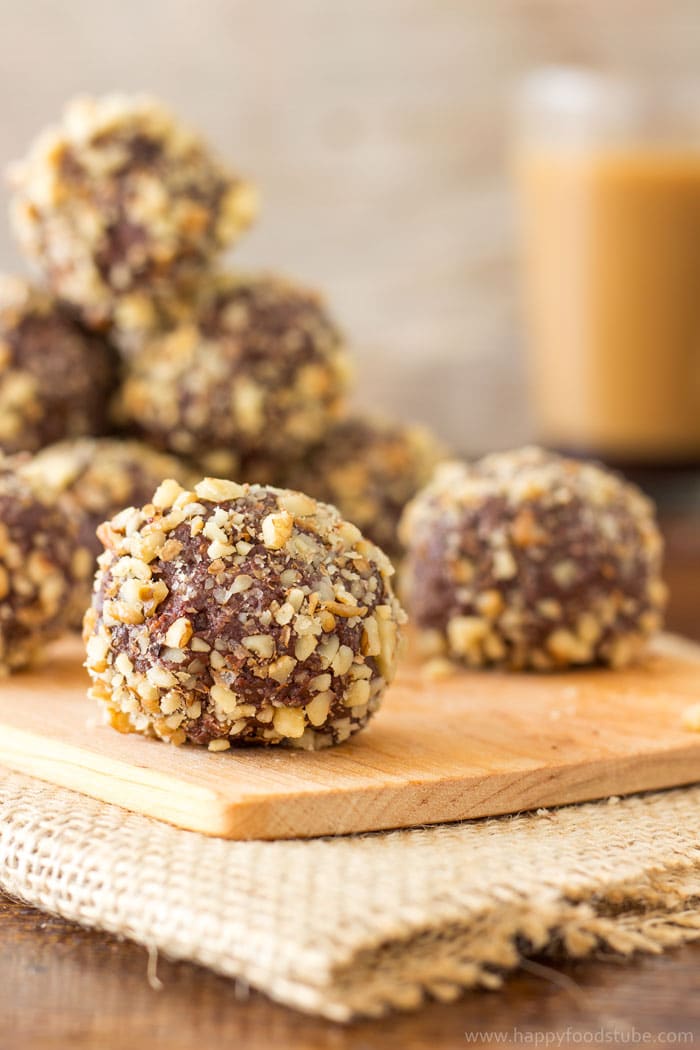 I have a sweet tooth, and try as I might, I have yet to overcome it, so over the years I have watched for healthier alternatives to the standard holiday baked goods. This is a great time to break out those power pantry dessert recipes that don't have the processed sugar, fats and additives found in many holiday treats.
Dried fruits are some of the best options for making satisfying sweet treats that our bodies will appreciate and that will help us keep the holiday spirit. For years I have appreciated these natural sweet treats, and keeping them on hand can make all the difference in holiday baking.
Dates are one of the best natural sweeteners, and make a great foundation for some really satisfying desserts. Combined with nuts, chocolate and a bit of flavor from vanilla or coconut, and you can create treats that rival the best family cookie bars.
Other great dried fruits that can easily stand in with holiday sweets are apricots, raisins, figs, dried cranberries and dried apples. There are even some really good dried banana chips available (baked or freeze-dried) that are great for holiday baking.
Check out these paleo recipes made with dates: Paleo Grubs - 45 date recipes (some are savory, but most are sweet treats, with awesome ingredients.)
And a quick search for dried fruit desserts will yield a bunch of great options. So consider alternative sweets this holiday season to keep things festive and yet healthful. Dried fruits, especially dates and figs, can be a tremendous addition to holiday baking traditions.
By the Way
At Thanksgiving, our family enjoyed some almond-stuffed bacon-wrapped dates. They were awesome, and we will definitely be making those again. We even tried some of the dates stuffed with dark chocolate chips (and wrapped in bacon of course) - also exceptional, and with a more sophisticated taste.
4.34
 There are notable holiday foods that make memories, are healthy, and are worth sharing with others. One of my favorites is pomegranates. Available mainly between September and January (in North America), pomegranates make a wonderful, healthful addition to holiday meals.
Pomegranates are an ancient fruit which has been cultivated since Biblical times, and originally hails from the Middle East and Mediterranean. There are numerous worthwhile benefits from the sweet and tart juice, along with the edible seeds. You'll find the whole fruit, and juices, available in your grocery store. When shopping for pomegranate juice, be sure to get the 100% juice, as other 'cocktail' juices contain numerous fruit juices (like pear and apple) and often have sugar as well.
The incredible health benefits of pomegranates makes them a welcomed part of a wellness lifestyle. If apples, grapes and bananas have gotten a bit boring, try throwing in a pomegranate. I like this detailed article from Dr. Josh Axe, describing the top 7 benefits of pomegranates and their juice:
Dr. Axe on pomegranates
You'll note benefits like fighting cancer, lowering blood pressure, reducing join pain & arthritis, heart health and increasing testosterone. Quite a lot of benefits from one simple fruit.
The fruit has a unique configuration of seeds within the heavy rind, with each seed surrounded by a juicy aril. The arils and seeds are all edible, and packed with goodness. Pomegranates are known for beneficial values of vitamin K, vitamin C, folate, potassium and more. They pack a lot of nutritional punch.
So give pomegranates a try this holiday season. You may find a new favorite fruit for your power pantry, and your body will thank you for the health and wellness it offers.
By the Way
Cleaning a whole pomegranate isn't the easiest task. The juicy arils and seeds are encapsulated in the meaty rind of the fruit, and it takes a bit of patience and persistence to get it opened and cleaned. But the flavor and benefits are worth the effort. And be careful, because the juice will stain clothes and cutting boards, etc.
3.26
I was reminded this week of the value of discerning choices in my pantry and fridge. Last year I had posted about acid-alkaline balance in our bodies and how it is related to our food choices (From the Good Side, Jan 2015). This week I realized how far my own recollections had slid from the reality of healthful choices where acid/alkaline balance is concerned.
What is acid/alkaline balance all about? Our bodies do a miraculous job of maintaining consistent blood and tissue pH, even with the untold stresses which can put our bodily pH out of wack. Stress results from metabolizing things like refined foods and meats, dairy and most grains. When absorbing these less-healthy nutrients into our bodies, a state of low pH (an acid condition) is generated, inching our blood pH below the ideal 7.37 (which is just slightly alkaline).Veggies and fruits help stabilize bodily pH by the alkaline-forming nature of digested plant foods, keeping the pH in our tissues slightly alkaline, and keeping our bodies healthy.
If we're not eating fruits and veggies to counteract acid-forming foods, our bodies will compensate for the acid and use other means to neutralize it. As Dr. Joel Fuhrman stated in his book, Eat to Live: "Animal-protein ingestion results in a heavy acid load in the blood. This sets off a series of reactions whereby calcium is released from the bones to help neutralize the acid." Literally, our bones give up some density in the form of calcium compounds, in order for the slightly acidic state to be rebalanced back to slightly alkaline. The result is that we lose bone density, and end up with a calcium deficit in our bodies.
The slightly acidic state can also promote general inflammatory issues in our bodies, lending to health problems like arthritis, diabetes, high blood pressure, osteoporosis and it can allow numerous cancers to take hold.
So, how do we keep our diet on the good side? Check out the the learning page at pHreshproducts.com. They offer extensive explanations of acid-alkaline issues in our diet and suggest the alkaline-forming foods which will counteract the acid-formation. Once you've wrapped your mind around which foods are acid-forming (unhealthy) and which are alkaline-forming (health-promoting) take a long look at your pantry and fridge, and see how your current food inventory measures up. Maybe you'll find some adjustments you need to make, just like we did this past week...
By the Way
Here is a tremendous chart to get you started on understanding acid-forming and alkaline-forming foods. Make choices from the good side, and your body will thank you.
2.69
I'm a fan of fall. What a great time to experience the slow, gentle let-down from summer that gets us into winter. From tremendous fall colors in the fields and trees, to crisp temperatures overnight that lead to the first frost. Eventually we turn the clocks back and try to relax into the holidays.
With all that fall has to offer, one of my favorite things about it is apple season. I know apples are available from all over the world now, any time of year, but I still think of fall as apple-picking time.
 Do you have a favorite apple? Mine are Macintosh. Long before there were hundreds of apple varieties world-wide, there were the apples you would get from your own trees, or the farm down the road, and you were lucky to have a dozen or so apple varieties to choose from.
It turns out our family is celebrating an appreciation of apples this week. Prices in our area are down to about $0.79/pound most places, and the selection is great. So today, Jen was making apple butter, bringing the wonderful fall smells of clove and cinnamon into our kitchen, along with the sweet tartness of the cooking apples.
And with that cooking in the background, one of our kids asked for stewed apples for breakfast. Easy enough, so I cut up a half-dozen or so apples and cooked them down for a half hour or so... mmmmm... no sugar needed. Maybe just a little cinnamon.
Don't miss apple time. Wherever you find yourself, get to a farm stand, or a great produce aisle you can trust, and see what interesting apples you can purchase and enjoy. It's a wonderful part of fall, and power pantry choices.
By the Way
While there are nearly 100 varieties of apples grown in the US, there are only 15 which make up almost 90% of the market. The US Apple Association has great information on these varieties, and a lot more: Most Popular US Apples
And there is much more to be learned about apples. Check out this list from Wikipedia on apple varieties from all over the world: Apple Cultivars
 I have a sweet tooth, and try as I might, I have yet to overcome it, so over the years I have watched for healthier alternatives to the standard holiday baked goods. This is a great time to break out those power pantry dessert recipes that don't have the processed sugar, fats and additives found in many holiday treats.


